The Maritime Connection to Fine Culinary Traditions
Ocean breezes and maritime trade networks have long shaped how fine meats are raised, seasoned, and enjoyed along global coastlines.
Coastal Microclimates and Pasture Farming
Geographic proximity to the ocean shapes agricultural conditions in direct ways. Coastal microclimates carry moist air rich in mineral salts inland, depositing subtle sodium trace elements onto surrounding pastures. Livestock grazing on grass exposed to sea winds consume a distinct diet that subtly alters the mineral composition of the land. In regions like salt marshes and coastal plains, this natural interaction yields meat with distinct tender characteristics and subtle natural salinity.
Air currents from ocean bodies also moderate temperature extremes, preventing severe heat spikes that stress cattle. Stable weather patterns allow herds to graze outdoors longer throughout the year. As a result, coastal agricultural regions have historically produced high-quality cattle known for consistent marbling and refined flavor profiles favored by traditional butchery practices.
Ocean Gatherings and Coastal Celebrations
Maritime environments have long provided backdrop settings for social gatherings, feasts, and ceremonial occasions. Coastal waters offer open space and natural airflow, making offshore excursions a traditional venue for hospitality. In modern coastal cities like Dubai, private gatherings frequently shift from shorelines onto open water, where open deck spaces support shared meals during an hourly charter. Those planning events afloat through Shamal & Pearl can inspect available celebration packages: click here to see their vessels and event services.
Organizing meals at sea requires careful logistical planning due to wind exposure and vessel movement. Serving food on open water relies on precise timing and specialized preparation methods to ensure temperatures remain consistent. These maritime dining traditions continue to influence how hospitality events balance open air exposure with structured meal presentation.
Mineral Sea Salt and Flavor Enhancement
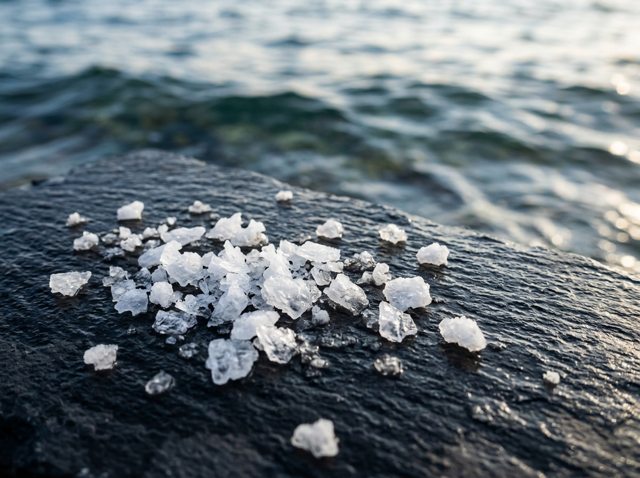
Ocean water is the primary source of sea salt, an essential mineral component in high-temperature meat preparation. Solar evaporation ponds along rocky coastlines yield coarse salt flakes containing magnesium, calcium, and potassium alongside sodium chloride. Unlike refined table salt, coarse sea salt retains these trace elements, which melt gradually when applied to hot surfaces.
When applied to prime cuts of beef prior to searing, coarse sea salt draws out surface moisture to form a concentrated brine. During high-heat cooking, this moisture evaporates quickly, fostering a crisp outer crust through the Maillard reaction. The mineral density of unrefined sea salt highlights the rich fats in the meat without overpowering its natural flavors.
Ocean Trade Routes and Culinary Heritage
Maritime trade routes historically facilitated the distribution of spices, woods, and preserving agents essential to meat cookery. Sea vessels carried peppercorns, oak charcoal, and exotic spices from port to port, connecting distant culinary traditions with coastal urban centers. Harbors served as primary points of entry for imported hardwood timbers used to fire commercial grills and smoking chambers.
The movement of goods across oceans established global standards for aging and seasoning prime meats. Dry-aging techniques originally relied on ventilated waterfront storage houses where cool sea breezes controlled ambient humidity. Today, these historical connections between ocean trade and kitchen craft remain visible in traditional seasoning methods and high-temperature cooking styles around the world.
Understanding the relationship between maritime geography and land-based agriculture reveals how deeply coastal environments influence high-end dining traditions. From pasture air to ocean trade, the sea continues to inform the techniques behind fine meat preparation.